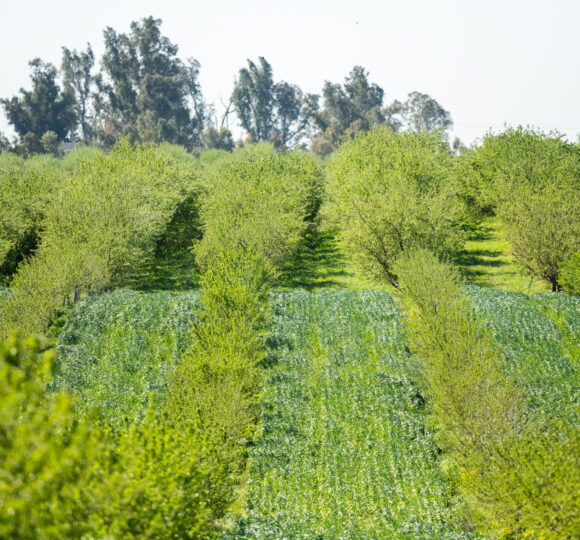

Per- and polyfluoroalkyl substances (PFAS) are synthetic chemicals that have been manufactured and used in various industries since the 1940s. These persistent chemicals do not break down naturally in the environment, meaning they can accumulate over time in water, soil, air, and living organisms. Where PFAS has reached farmland, this is due to the application of biosolids (treated sewage sludge) and industrial waste to farm fields, as well as through contaminated water sources used for irrigation. For farmers with PFAS-contaminated land, understanding and managing this issue is important: when PFAS are present in soil, they can be taken up by crops and forage. This contamination may lead to health and economic concerns, and farmers can face questions about their products, or whether they can continue to farm their land. The evolving landscape of PFAS contamination levels, regulatory standards, and remediation options creates a need for ongoing research and support for farming families who may have been affected by contamination from external sources.
This factsheet provides information regarding research conducted in a paired greenhouse and field study on the ability of biochar to reduce uptake of PFAS in vegetable crops.